Skip to content
OPEN Mike
The slippery slope of questioning assumptions and dogmas doesn’t only run downward; it’s also the route to higher vistas and breathtaking panoramas.
Toggle Sidebar
March 5, 2023
March 5, 2023
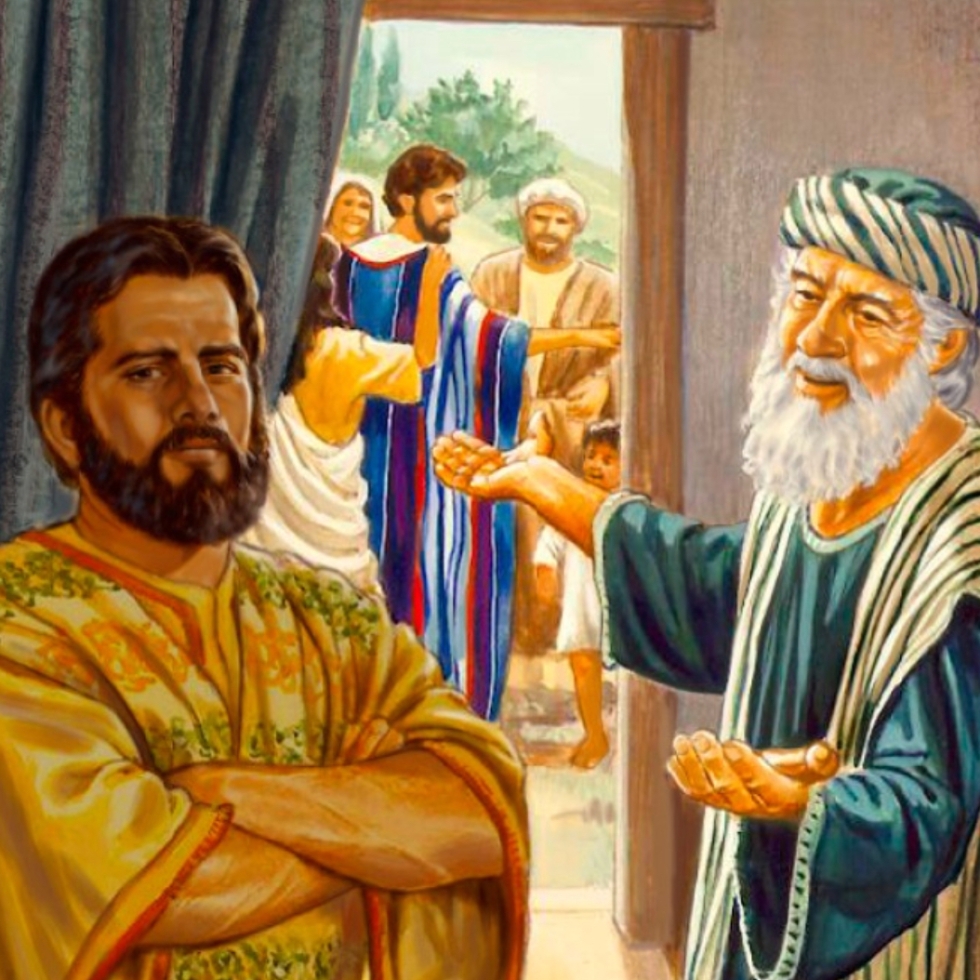
Which God Is It?
Continue reading
→
January 25, 2023
March 8, 2023
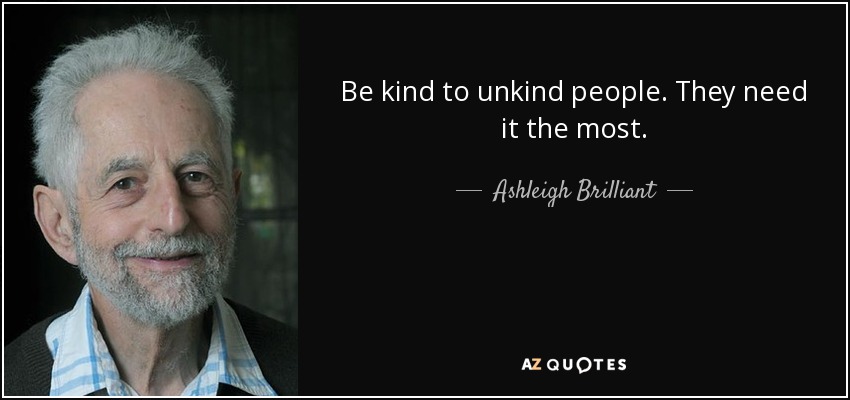
Philosopher-Prophet
Continue reading
→
December 22, 2022
My Top 5 Books for 2022
Continue reading
→
February 28, 2022
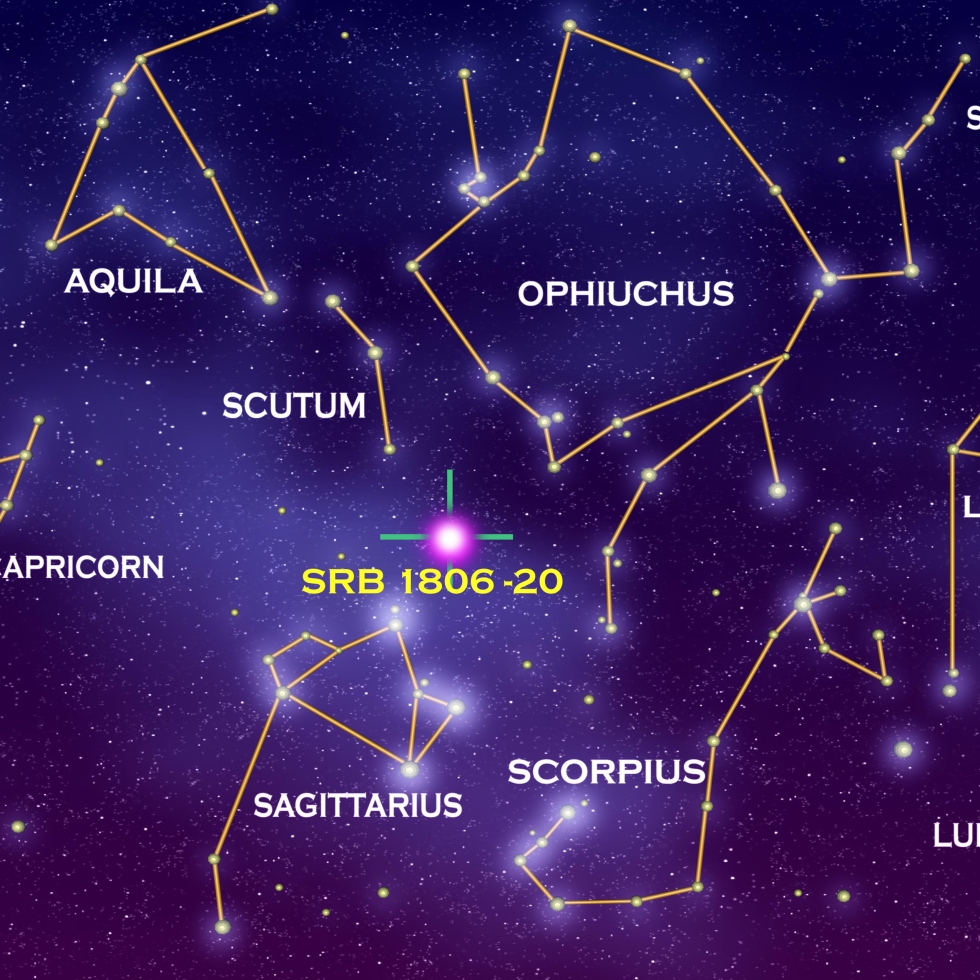
Stars and Constellations
Continue reading
→
December 30, 2021
December 30, 2021
My Top 5 Books of 2021
Continue reading
→
August 21, 2021
Pandemic Metaphor
Continue reading
→
July 31, 2021
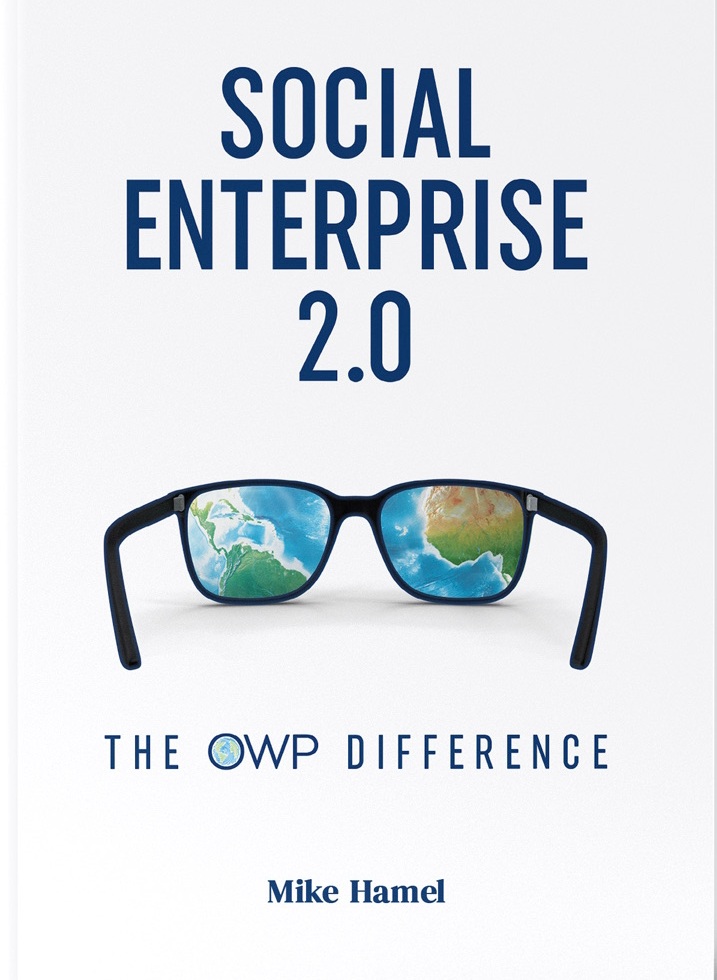
Social Enterprise 2.0: The OWP Story
Continue reading
→
July 24, 2021
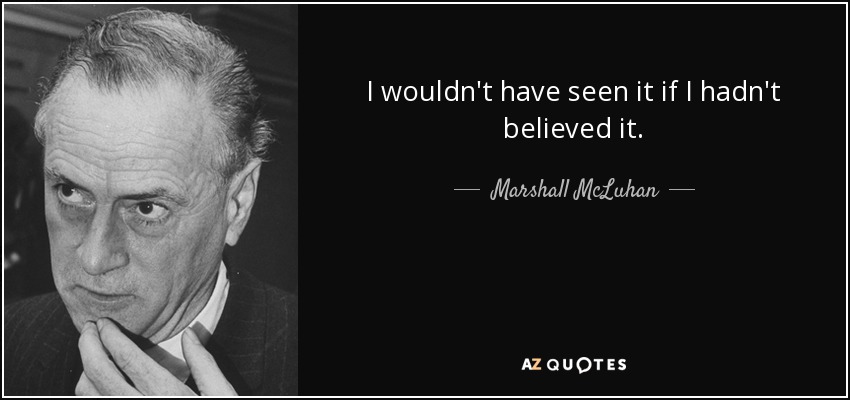
Hell, No! part 3 – Believing Is Seeing
Continue reading
→
July 17, 2021
July 24, 2021
Hell, No! part 2 – The Nature of God
Continue reading
→
Posts navigation
←
Older posts
Privacy & Cookies: This site uses cookies. By continuing to use this website, you agree to their use.
To find out more, including how to control cookies, see here:
Cookie Policy
Subscribe
Subscribed
OPEN Mike
Join 202 other subscribers
Sign me up
Already have a WordPress.com account?
Log in now.
OPEN Mike
Customize
Subscribe
Subscribed
Sign up
Log in
Report this content
View site in Reader
Manage subscriptions
Collapse this bar
Loading Comments...
Write a Comment...
Email (Required)
Name (Required)
Website




 OPEN Mike